When it comes to watches, there are two main categories that dominate the market: quartz watches and mechanical watches, each with its own operating rules and maintenance needs. Many new watch wearers get confused when their mechanical watch stops running or becomes inaccurate, thinking it’s damaged, but this is almost always a normal issue related to power reserve—not a manufacturing defect. Below, we break down the differences between the two watch types, explain why mechanical watches stop working, and share professional tips for proper winding and daily care to keep your timepiece running smoothly.

Quartz Watches vs. Mechanical Watches: Core Differences
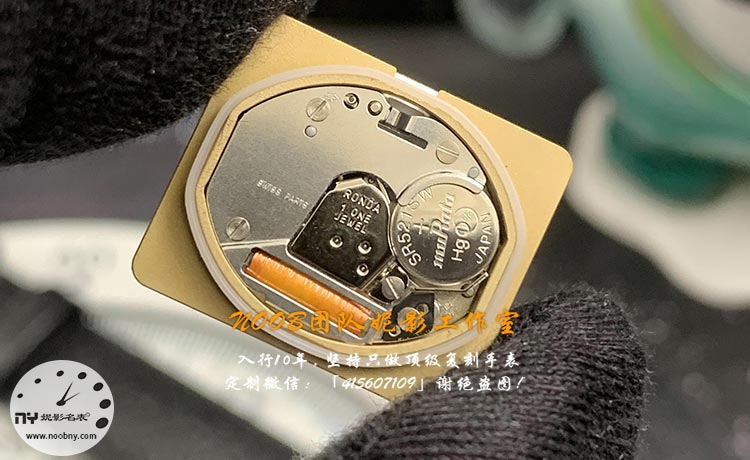
Quartz Watches:Powered by a battery, quartz watches are the low-maintenance option for everyday wear. They will keep running consistently and accurately until the battery dies, with no need for manual winding or regular movement. Once the battery runs out, simply replace it, and the watch will work as good as new—perfect for those who want hassle-free timekeeping.
Mechanical Watches:Driven by a wound mainspring that stores kinetic energy, mechanical watches rely on power reserve to function. When the power reserve is insufficient, the watch will first develop larger time errors, and eventually stop running entirely. This is a natural mechanical property, not a flaw in the watch itself. Unlike quartz watches, mechanical watches require active use or manual winding to maintain power.

Why Do Automatic Mechanical Watches Often Stop?
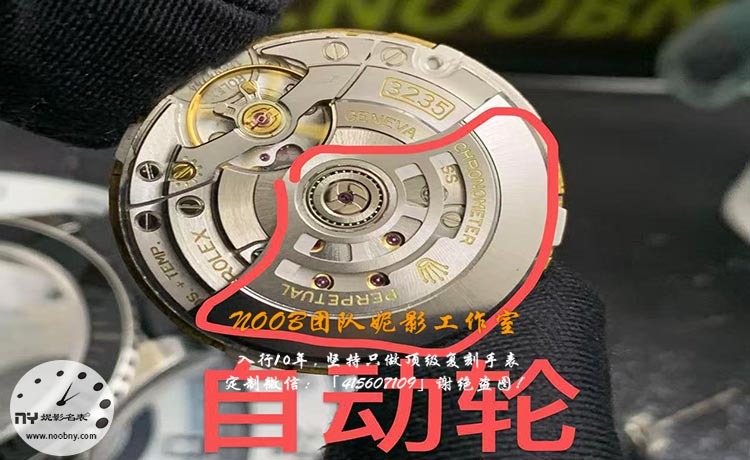
Automatic mechanical watches have a rotor (automatic wheel) on the case back, which acts as the self-winding mechanism. This rotor spins with the movement of your wrist to wind the mainspring automatically. However, the self-winding efficiency is extremely low: even with daily wear, the rotor only winds the mainspring to 10% to 20% of its full power capacity.This is exactly why office workers frequently face stopped mechanical watches—sitting at a desk for long hours means minimal wrist movement, so the rotor can’t spin enough to charge the mainspring. The limited power reserve drains quickly, leading to inaccurate timekeeping and total stoppage. Most standard mechanical watches have a full power reserve of about 48 hours (2 days) when fully wound, but this can’t be achieved with passive, sedentary wear.
How to Manually Wind a Mechanical Watch Correctly
For watches with an embedded screw-down crown, the proper winding method is crucial to protect the movement and waterproof function:
1. Gently unscrew the crown counterclockwise until it pops out from the locked position—never pull it forcefully, as this can damage the crown and waterproof gasket.
2. Rotate the crown slowly clockwise 30 to 50 times to replenish power. Avoid fast or rough twisting, which can strain the mainspring and shorten the movement’s lifespan.
3. After winding, press the crown back into place and screw it clockwise to lock it, restoring the watch’s water resistance.
Essential Daily Care Tips for Mechanical Watches
1. Ensure sufficient wearing time and movement: Wear your automatic mechanical watch for at least 8 hours a day with active wrist movement—simple arm swings and daily activities help the rotor generate enough power.
2. Wind manually when errors or stoppage occur: If you notice the watch gaining/losing time or starting to stop, manually wind it immediately to replenish energy, instead of waiting for it to stop completely.
3. Regular power replenishment for long-term storage: If you don’t wear the watch for a long time, manually wind it 20-30 times every 3 to 5 days to keep the movement lubricated and prevent parts from rusting or seizing.
4. Keep realistic expectations: Quartz watches run non-stop, while mechanical watches need regular power maintenance. This is the fundamental difference between the two, and understanding this will help you care for your mechanical watch properly.
In short, mechanical watches are precision timepieces that need proper use and care, not a faulty product when they stop. With the right winding habits and daily maintenance, your automatic mechanical watch will maintain accurate timekeeping and last for many years. Whether you’re a new watch collector or a casual wearer, mastering these tips will help you get the most out of your mechanical timepiece.f you are interested in our works ,please add our wechat to view product album
we_chat ID:A6929909
whatapp :+86 15364386150

扫一扫,添加好友