If you've recently noticed subtle marks on the inner surface of your Rolex Oysterlock safety clasp cover, rest assured—this is an extremely common occurrence that has absolutely nothing to do with the quality or authenticity of your timepiece. Many Rolex owners overlook this detail, but for those who notice it, the concern is understandable. Let’s break down why these marks appear, what they mean, and why you shouldn’t worry about them.

The Core Function of the Clasp Cover
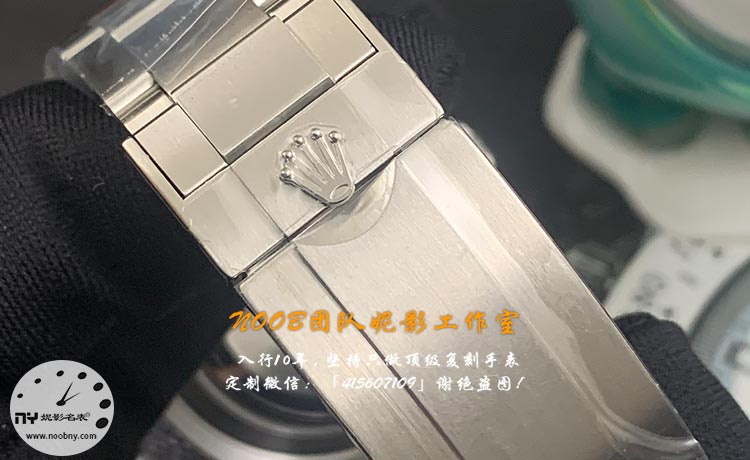
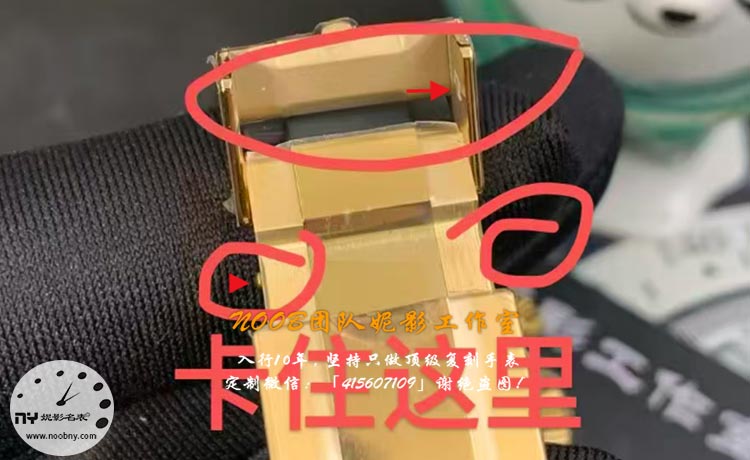
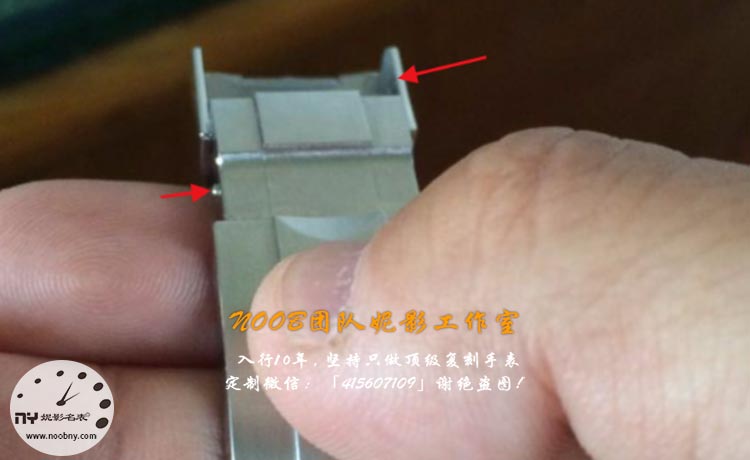
First, it’s critical to understand the purpose of the Oysterlock safety clasp cover—the small, hinged component that secures the main clasp mechanism. Rolex engineered this cover as a critical safety feature: it latches onto a raised protrusion on the clasp body to lock the buckle in place, preventing accidental opening during daily wear, sports, or even underwater activities. This dual-layer security system is a hallmark of Rolex’s commitment to durability and reliability.
Why Marks Are Inevitable
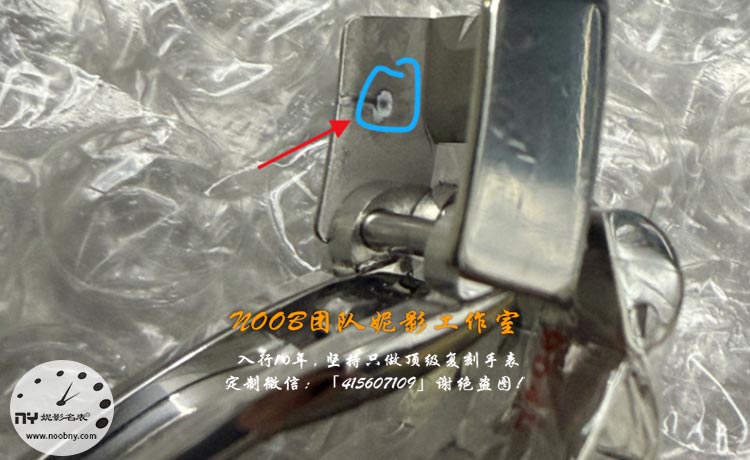
The marks on the cover’s inner surface stem directly from the clasp’s mechanical design and daily use. Here’s the precise mechanism:
• Metal-on-Metal Contact: The cover’s inner edge makes constant contact with the raised protrusion on the clasp body every time you open or close the buckle.
• Friction from Movement: Each time you lift the cover to release the clasp, the protrusion rubs against the cover’s inner surface. Over time, this repeated friction creates fine, linear marks.
• Factory Testing: Even brand-new, unworn Rolex watches may show faint marks here. Rolex subjects every Oysterlock clasp to rigorous开合 testing during manufacturing to ensure it meets strict safety standards. This pre-shipment testing is enough to leave subtle initial friction marks.
Why These Marks Don’t Matter
These inner marks are completely harmless for three key reasons:
1. Invisible During Wear: The cover’s inner surface is never exposed when the clasp is closed. It remains hidden against your wrist, so it has zero impact on the watch’s aesthetics or resale value.
2. No Impact on Functionality: The marks do not interfere with the clasp’s locking mechanism, spring tension, or ability to secure the bracelet. The clasp will continue to open and close smoothly for decades.
3. Genuine Rolex Design: This is a universal trait of genuine Rolex Oysterlock clasps. No reputable watchmaker or dealer would consider this a defect—it’s simply a byproduct of the clasp’s functional design.
What to Do If You’re Still Concerned
If the marks bother you despite their insignificance, consider these options:
• Embrace the Character: These subtle marks are a subtle sign of your watch’s daily use and longevity. Many collectors view them as a testament to the watch’s active life.
• Professional Polishing (Not Recommended): A watchmaker can polish out the marks, but this is unnecessary. Polishing removes a tiny amount of metal from the clasp, which can weaken the finish over time.
• Switch to a Pin Buckle: If you prefer a clasp with no moving parts and zero friction marks, Rolex offers pin buckle options on certain models. However, this sacrifices the Oysterlock’s superior security.
Final Thoughts
The next time you spot marks on the inside of your Rolex clasp cover, remember: this is a normal, intentional feature of the Oysterlock system. It’s not a defect, a sign of wear, or a reason to question your watch’s authenticity. Instead, appreciate the engineering that goes into creating a clasp that’s both secure and functional. After all, Rolex’s legacy is built on watches that are meant to be worn, admired, and enjoyed—marks and all.

扫一扫,添加好友